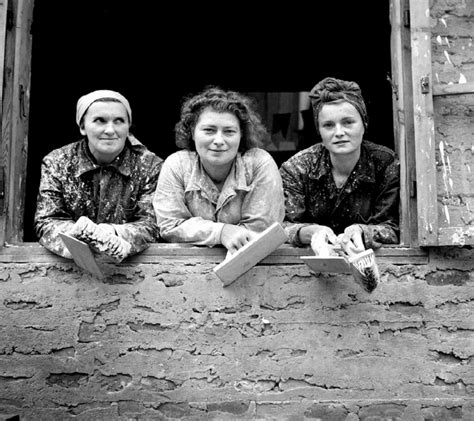
The history of women in plastering dates back to the 1600s and tells a story of slow but steady progress in a male-dominated trade. In the 17th and 18th centuries, plastering was almost exclusively done by men. The physically demanding nature of the work, along with strict societal norms, kept women from joining the trade.
In the 19th century, industrialization began changing the workforce, but women still had little presence in plastering. However, during times of war—especially the World Wars—labour shortages forced industries to rely on women. This shift saw women stepping into roles, including plastering, that had traditionally been reserved for men.
The 20th century brought major changes. The feminist movements of the 1960s and 1970s fought for gender equality in all professions. As a result, more women started training in trades like plastering. Apprenticeship programs and educational institutions gradually opened their doors, allowing women to gain the skills and certifications needed to enter the field.
Today, women are a more visible part of the plastering industry. Various organizations and unions now support female plasterers, providing training, networking opportunities, and advocacy. Despite these advancements, challenges like gender bias and unequal opportunities remain.
Even so, the contributions of women in plastering have helped diversify and enrich the trade. Their increasing presence reflects broader societal progress toward workplace inclusivity. By breaking traditional gender barriers, women in plastering serve as role models, inspiring future generations to choose careers based on passion and skill rather than outdated stereotypes.
 Here come the girls